Q1: What is a high-speed high-voltage amplifier?
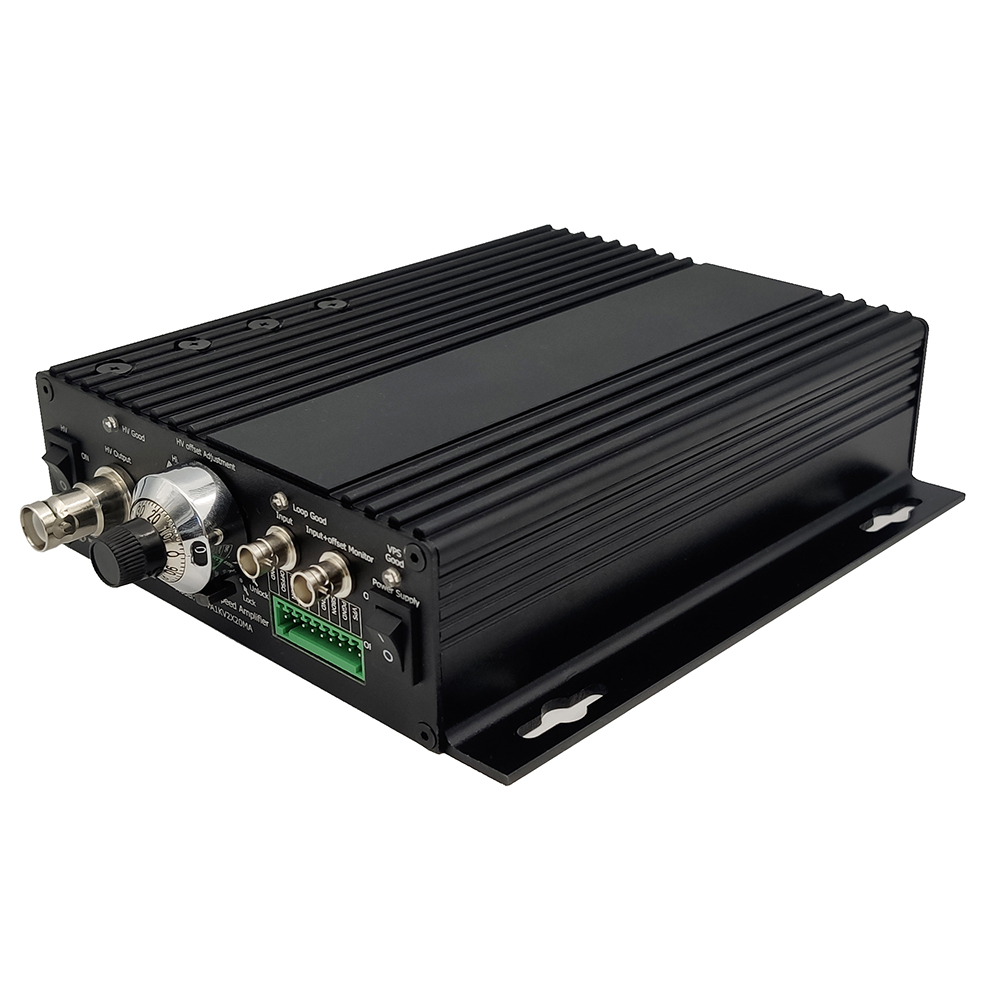
A high-voltage amplifier converts or amplifies low-voltage signals into high-voltage outputs, typically exceeding 1000V, sourcing or sinking from about 10µA to 1A and amplifying the input by 100 to 1000 times. A high-speed high-voltage amplifier additionally provides a fast response, with a bandwidth of at least 10kHz and a slew rate exceeding 2400V/µs.
Q2: Which ATI high voltage amplifier model should I choose?
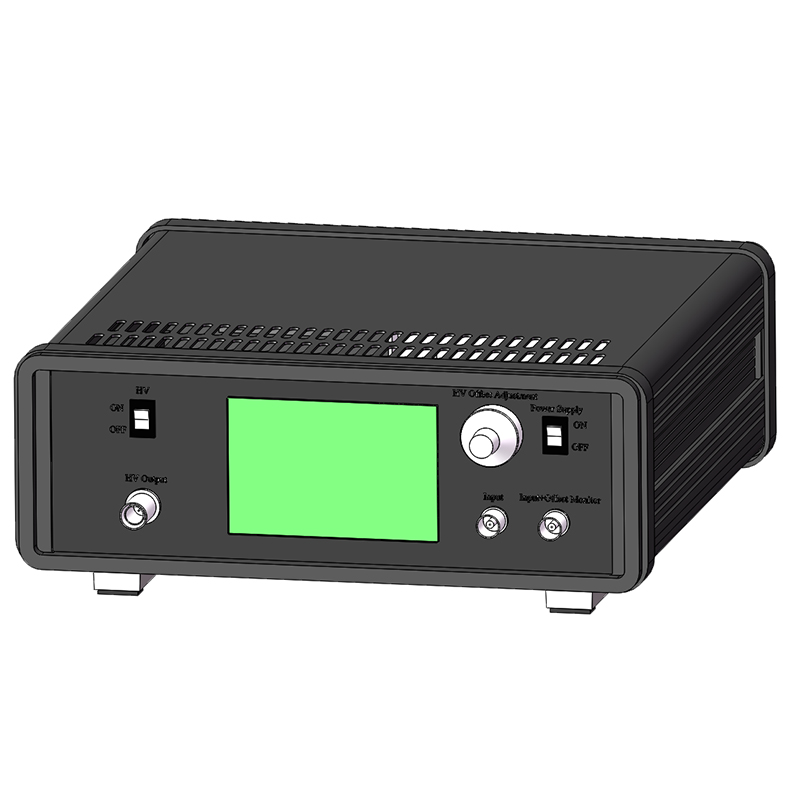
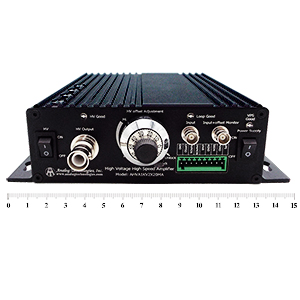
Choose by required output voltage and channel count. For dual-channel ±100V / ±250V / ±500V / ±1kV / ±2kV applications, select AHVA100V2X50MA, AHVA250V2X40MA, AHVA500V2X30MA, AHVA1KV2X20MA, or AHVA2KV2X20MA respectively. For high-speed dynamic applications requiring 2400V/µs slew rate, choose AHVAHS2KV2X20MA. For a complete benchtop instrument with AC-line input and built-in HV converter, choose AHVA2000V20MA. For single-channel ±2.5kV use AHVAN2R5KV20MA.
Q3: Do ATI high voltage amplifiers need an external high voltage power supply?
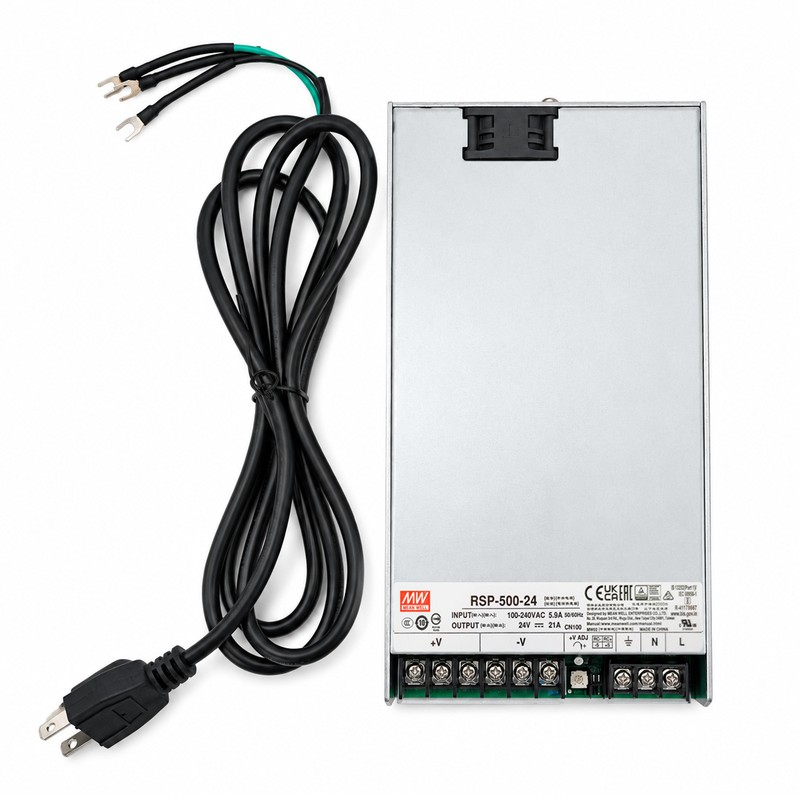
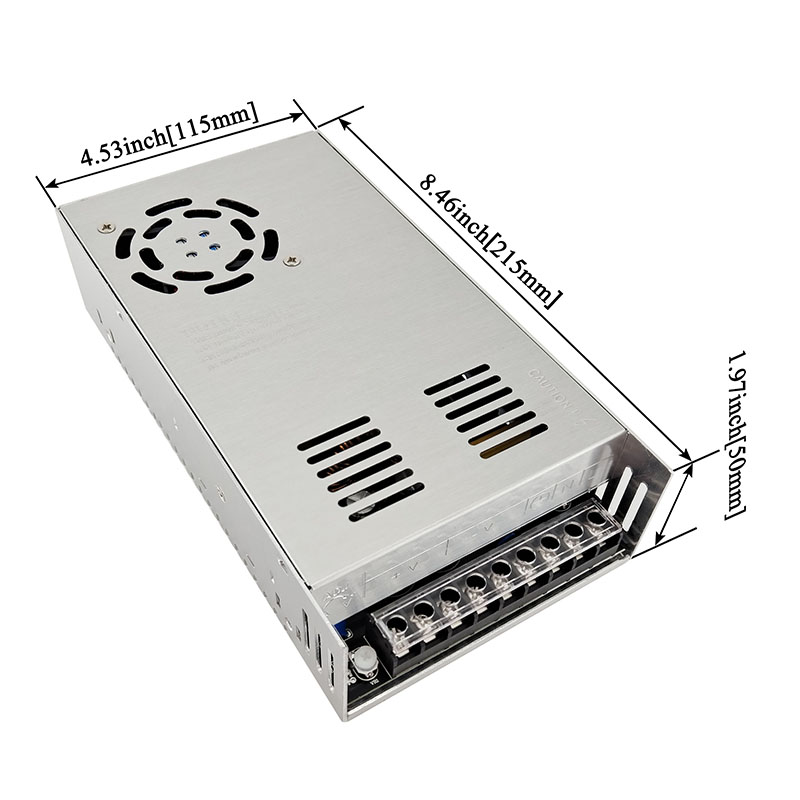
OEM-style AHVA modules accept a low-voltage power input (typically 24V) and internally generate the required high voltage rail, so a separate external HV supply is not needed. The AHVA2000V20MA benchtop model has a built-in high-voltage AC-DC converter and runs directly from 110VAC or 220VAC line voltage. If you do not have a 24V supply, the optional AHVAPS24V 24V power supply (100–240VAC input) fits all 24V-input amplifiers on this page.
Q4: What capacitive load can these amplifiers drive?
Maximum drivable capacitance follows I = C × dV/dt and depends on output-current rating, voltage swing, and frequency. As an example, an amplifier rated 100mA driving a 2kV peak-to-peak sinusoid at 1kHz can drive on the order of 8 nF; at lower frequencies the drivable capacitance increases proportionally. Each datasheet provides specific capacitive-load curves.
Q5: Can these high voltage amplifiers be used to drive piezoelectric actuators?
Yes. All ATI high voltage amplifiers are designed for piezo actuation and other high-voltage capacitive-load applications, including piezo stacks, piezo benders, MEMS devices, electro-optic modulators, and Pockels cells.
Q6: Are these amplifiers bipolar or unipolar?
The AHVA-series OEM modules with "2X" in the part number (AHVA100V2X50MA, AHVA250V2X40MA, AHVA500V2X30MA, AHVA1KV2X20MA, AHVA2KV2X20MA, AHVAHS2KV2X20MA) provide bipolar dual-channel outputs (±V). AHVAN2R5KV20MA and the AHVA2000V20MA benchtop unit are unipolar (0V to +V).
Q7: What protection features are built into ATI high voltage amplifiers?
Advanced protection features include under-voltage and over-voltage lockout on the supply input, ESD protection on input signals, over-temperature shutdown, turn-on soft start, and output current limit.
Q8: What is the difference between a medium voltage amplifier and a high voltage amplifier?
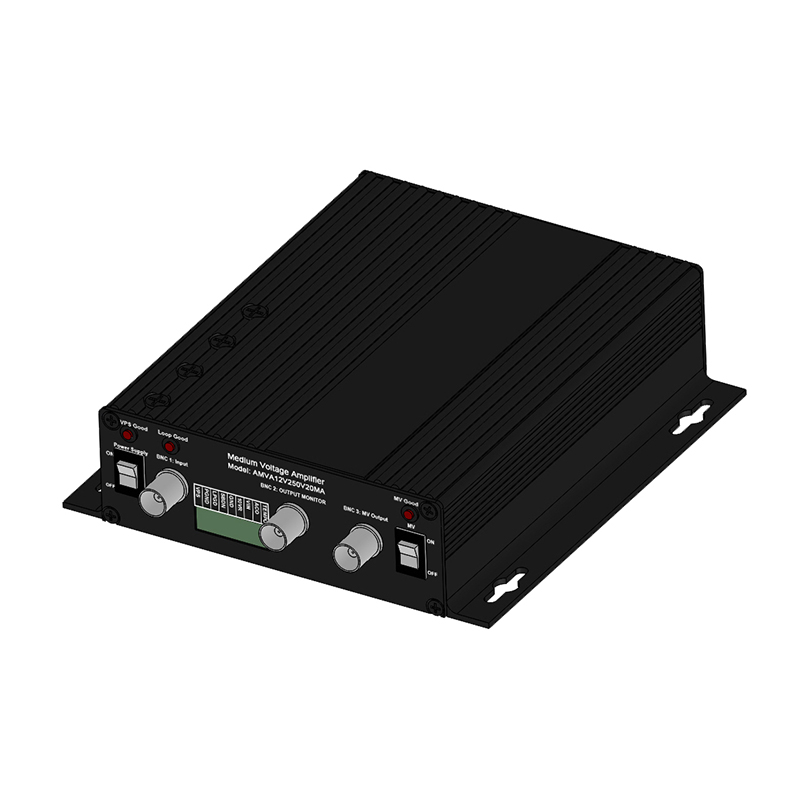
The difference is output voltage range, not architecture. ATI medium voltage amplifiers cover 200V and 250V outputs and suit smaller piezo actuators, benders and other loads that never need kilovolt drive. The high voltage AHVA series covers 100V up to ±2kV with slew rates to 2400V/µs. Both families accept a low-voltage analog control input and generate their own output rail, so selection comes down to the peak voltage and current the load requires. If the load needs more than 250V, or a bipolar output, choose an AHVA high voltage model.